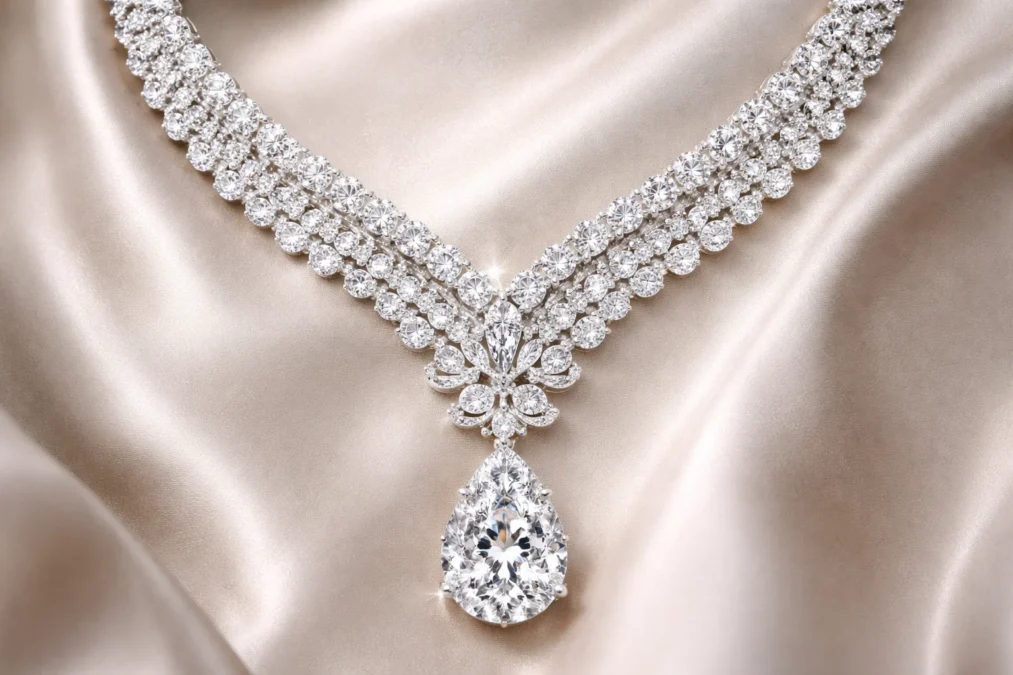
A diamond necklace is one of the most elegant and timeless pieces of jewelry in the world. For centuries, people have admired diamonds for their sparkle, strength, and beauty. When these brilliant gemstones are placed into a necklace, the result is a piece of jewelry that feels both luxurious and meaningful.
Whether worn for a wedding, a celebration, or everyday elegance, a diamond necklace can instantly brighten a person’s look. It reflects light, draws attention, and often carries emotional value because it is commonly given as a gift for important moments in life.
In this complete guide, we will explore everything you need to know about a diamond necklace. From its history and types to how to choose the right one, this article will help readers understand why diamond necklaces remain one of the most loved jewelry pieces around the world.
The History of the Diamond Necklace
The story of the diamond necklace goes back many centuries. Diamonds were first discovered in India more than 2,000 years ago. In ancient times, only kings, queens, and wealthy rulers wore diamonds because they were rare and expensive.
As time passed, diamonds were discovered in other parts of the world, including Africa and South America. Jewelry makers began creating beautiful necklaces using diamonds and precious metals like gold and platinum.
During the royal courts of Europe, diamond necklaces became symbols of wealth and power. Royal families wore them during grand events, ceremonies, and celebrations.
Today, a diamond necklace is not limited to royalty. Thanks to modern mining and jewelry design, many people can own and enjoy these beautiful pieces.
Why Diamond Necklaces Are So Popular
Diamonds have always been admired for their beauty and durability. A diamond necklace is especially popular because it combines elegance with versatility.
Here are some reasons why people love diamond necklaces:
- They sparkle beautifully in light.
- They match almost every outfit.
- They can be worn for casual or formal events.
- They hold sentimental value.
- They often become family heirlooms.
Diamonds are also the hardest natural substance on Earth. This means a diamond necklace can last for generations if it is cared for properly.
Common Types of Diamond Necklace Designs
There are many styles of diamond necklace designs. Each style offers a unique look and feeling.
Diamond Pendant Necklace
A diamond pendant necklace features a single diamond or small group of diamonds hanging from a chain.
Features include:
- Simple and elegant design
- Perfect for everyday wear
- Often used as a gift
Diamond Tennis Necklace
The tennis necklace is a line of diamonds connected together in a chain.
Features include:
- Continuous row of diamonds
- Very luxurious appearance
- Often worn for formal events
Diamond Choker Necklace
A diamond choker sits closely around the neck.
Features include:
- Stylish and modern look
- Short chain length
- Often used for fashion statements
Halo Diamond Necklace
A halo necklace has a central diamond surrounded by smaller diamonds.
Features include:
- Extra sparkle
- Larger visual appearance
- Popular in modern jewelry design
Each diamond necklace style offers something different, allowing buyers to choose a design that matches their taste.
Diamond Necklace Materials and Settings
The beauty of a diamond necklace does not come only from the diamonds. The metal and the setting also play an important role.
Popular Metals
Jewelry makers often use strong and beautiful metals to hold diamonds safely.
Common metals include:
- Gold – classic and warm in color
- White gold – modern and shiny
- Platinum – strong and luxurious
- Rose gold – soft pink tone and trendy
Diamond Settings
A setting holds the diamond securely in place.
Common settings include:
- Prong setting – small metal claws hold the diamond
- Bezel setting – metal surrounds the diamond completely
- Channel setting – diamonds sit between metal strips
- Pavé setting – many small diamonds placed closely together
The right combination of metal and setting can make a diamond necklace look even more brilliant.
The 4Cs of Diamonds in a Diamond Necklace
When buying a diamond necklace, it is important to understand the famous “4Cs.” These four factors determine the quality and value of a diamond.
| Diamond Feature | Meaning | Why It Matters |
|---|---|---|
| Cut | The shape and angles of the diamond | A good cut creates more sparkle |
| Color | The level of color in the diamond | Less color usually means higher value |
| Clarity | Presence of tiny marks or flaws | Clear diamonds look brighter |
| Carat | The weight of the diamond | Larger diamonds are more rare |
Understanding the 4Cs helps buyers choose the best diamond necklace for their budget and style.
How to Choose the Perfect Diamond Necklace
Choosing the right diamond necklace can feel exciting but also a little confusing. With so many designs available, it helps to consider a few important factors.
Think About the Occasion
Different occasions call for different styles.
For example:
- Weddings may need elegant designs
- Daily wear may need simple styles
- Special events may need luxurious pieces
Consider Necklace Length
Necklaces come in different lengths.
Common lengths include:
- Choker – 14 to 16 inches
- Princess – 18 inches
- Matinee – 20 to 24 inches
- Opera – 28 inches or longer
The right length can make a diamond necklace more comfortable and flattering.
Match Personal Style
Jewelry should reflect the wearer’s personality. Some people prefer minimal designs, while others enjoy bold and sparkling pieces.
Diamond Necklace for Special Occasions
A diamond necklace is often chosen for life’s most memorable moments.
Weddings
Brides often wear diamond necklaces because they add elegance to wedding dresses.
Anniversaries
Diamond jewelry is a popular anniversary gift because it represents lasting love.
Birthdays
Giving a diamond necklace as a birthday gift can make the day unforgettable.
Graduations
Some families celebrate academic achievements with meaningful jewelry.
Because diamonds symbolize strength and beauty, a diamond necklace becomes a powerful gift for special moments.
Caring for Your Diamond Necklace
Even though diamonds are very strong, a diamond necklace still needs proper care.
Cleaning Tips
To keep diamonds sparkling:
- Clean them regularly with mild soap and warm water
- Use a soft brush to remove dirt
- Dry with a soft cloth
Storage Tips
When not wearing your necklace:
- Store it in a jewelry box
- Keep it separate from other jewelry
- Avoid extreme heat or chemicals
Proper care ensures that a diamond necklace stays beautiful for many years.
Diamond Necklace Trends in Modern Fashion
Fashion trends change, but the diamond necklace continues to evolve with new designs.
Some popular trends today include:
- Layered diamond necklaces
- Minimalist diamond pendants
- Personalized diamond jewelry
- Mixed metal styles
Modern jewelry designers combine traditional diamonds with creative ideas. As a result, today’s diamond necklace styles appeal to both classic and modern tastes.
Benefits of Owning a Diamond Necklace
Owning a diamond necklace offers many benefits beyond beauty.
Some key advantages include:
- Long-lasting durability
- Timeless fashion value
- Emotional and sentimental meaning
- Potential investment value
- Easy to match with outfits
Unlike many fashion items that go out of style, a diamond necklace remains elegant year after year.
Diamond Necklace Buying Tips
Before purchasing a diamond necklace, it is helpful to follow a few smart tips.
Check Certification
Always look for diamonds certified by trusted gem organizations.
Set a Budget
Diamonds come in many price ranges. Setting a budget helps narrow the choices.
Compare Options
It is wise to compare different styles, metals, and diamond qualities.
Buy from Trusted Jewelers
Purchasing from reliable jewelers ensures quality and authenticity.
Taking time to research can help buyers find the perfect diamond necklace without stress.
Diamond Necklace Quick Information Table
| Feature | Details |
|---|---|
| Jewelry Type | Necklace |
| Gemstone | Diamond |
| Common Metals | Gold, White Gold, Platinum, Rose Gold |
| Popular Styles | Pendant, Tennis, Choker, Halo |
| Main Uses | Fashion, Weddings, Gifts |
| Durability | Very high |
| Symbolism | Love, strength, luxury |
This table provides a simple overview of the key aspects of a diamond necklace.
Diamond Necklace as a Meaningful Gift
A diamond necklace is more than just a beautiful accessory. It often represents love, appreciation, and commitment.
People give diamond necklaces for many reasons:
- To celebrate love
- To mark achievements
- To show appreciation
- To create lasting memories
Because diamonds last forever, a diamond necklace can remind someone of an important moment for many years.
The Future of the Diamond Necklace
The world of jewelry is always changing. New technologies and creative designs continue to shape the future of the diamond necklace.
Some exciting developments include:
- Lab-grown diamonds
- Sustainable mining practices
- Custom jewelry design
- Smart jewelry innovations
These innovations allow people to enjoy a diamond necklace while also supporting ethical and environmentally friendly practices.
Conclusion: The Timeless Beauty of a Diamond Necklace
A diamond necklace is one of the most treasured pieces of jewelry a person can own. It combines elegance, strength, and emotional meaning in a single beautiful accessory.
From ancient royal collections to modern fashion trends, the diamond necklace has remained a symbol of beauty and luxury. With many styles, designs, and price ranges available today, anyone can find a necklace that fits their taste and budget.
Whether worn daily or saved for special occasions, a diamond necklace adds sparkle, confidence, and charm to any look. Its timeless appeal ensures that this stunning piece of jewelry will continue to shine for generations to come.
You may also read
Which of the Following Would Not Be an Example of a Long-Term Goal?