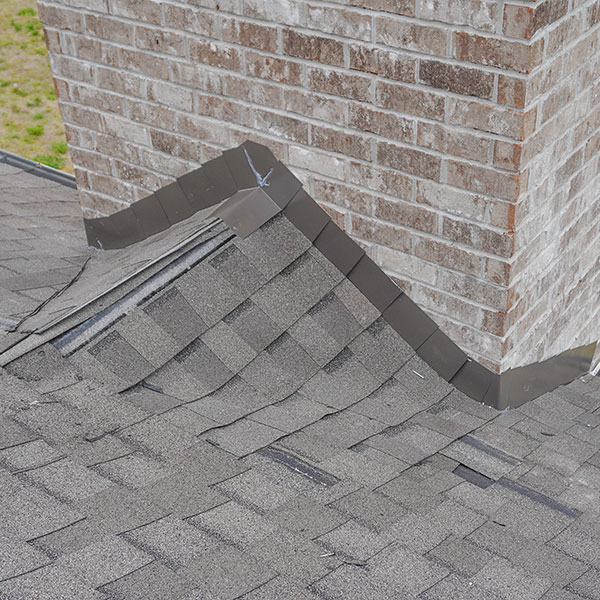
Most homeowners do not spend a lot of time thinking about the tiny roof behind their chimney. It is a small, peaked structure called a cricket, and its only job is to divert water away from the masonry. If you live in an area with heavy snow or rain, getting a professional roof repair Higland service to check this area is a smart move before the seasons change. When a cricket fails, it does more than just leak. It creates a path for water to rot your home from the inside out.
What Exactly is a Chimney Cricket
A chimney cricket is essentially a mini roof built on the high side of a chimney. If your chimney sits on a slope, water flowing down the roof would naturally slam right into the back of the chimney wall. Without a cricket, that water just sits there. It pools, collects debris, and eventually finds a way under your shingles. The cricket acts like a prow of a ship, splitting the flow of water and sending it around the sides of the chimney so it can continue down to the gutters. It is a simple piece of geometry that saves thousands of dollars in water damage.
Debris Traps and Clogged Channels
One of the biggest issues with a poorly designed or aging cricket is that it becomes a magnet for leaves and pine needles. Because the cricket creates two narrow valleys on either side of the chimney, it does not take much to create a dam. Once a pile of wet leaves sits in those valleys, it holds moisture against the roofing material and the chimney flashing. This constant dampness eats away at the sealants and can cause the wood underneath to soften. If you notice a small forest growing behind your chimney, you are looking at a ticking time clock for water intrusion.
Flashing Failures at the Peak
The cricket is not just made of wood and shingles. It relies heavily on metal flashing to bridge the gap between the roof and the brick. This area involves a lot of complex angles. If the flashing was not tucked into the mortar joints correctly, or if the caulking has dried out and cracked, water will slip right behind the metal. Because the cricket is located at a high point, any water that gets behind that flashing will travel down the interior wall. You might see a brown stain on your living room ceiling and never realize the source is actually ten feet away at the back of the chimney.
The Problem with Improper Pitch
Not all crickets are created equal. Sometimes, a builder installs a cricket that is too flat. If the slope of the cricket is not steep enough to overcome the volume of water coming down the main roof, the water can actually back up. In cold climates, this is a recipe for ice damming. Snow melts on the warm parts of the roof, flows down to the cricket, and then refreezes into a block of ice. This ice expands and pushes up under the shingles. A cricket that cannot shed water fast enough is almost as bad as having no cricket at all.
Masonry and Porosity Issues
Even if the cricket itself is structurally sound, its presence changes how water interacts with your chimney brick. When water is diverted by the cricket, it splashes against the lower sections of the chimney. Over time, this constant splashing can wear down the mortar. If your bricks are older and porous, they can soak up that water like a sponge. This is called capillary action. The water travels through the brick and eventually leaks into the firebox or the attic space. Keeping the cricket in good shape helps, but you also have to make sure the brick it is protecting is sealed and sturdy.
Final Word
Checking the health of your roof is about more than just looking for missing shingles. The small details, like the cricket behind your chimney, often dictate whether your home stays dry during a storm. If you have noticed damp spots or suspicious smells near your fireplace, it might be time for a roof repair Highland expert to take a look at that peak. A little bit of maintenance on your chimney cricket today can prevent a massive headache and a very expensive restoration project tomorrow.