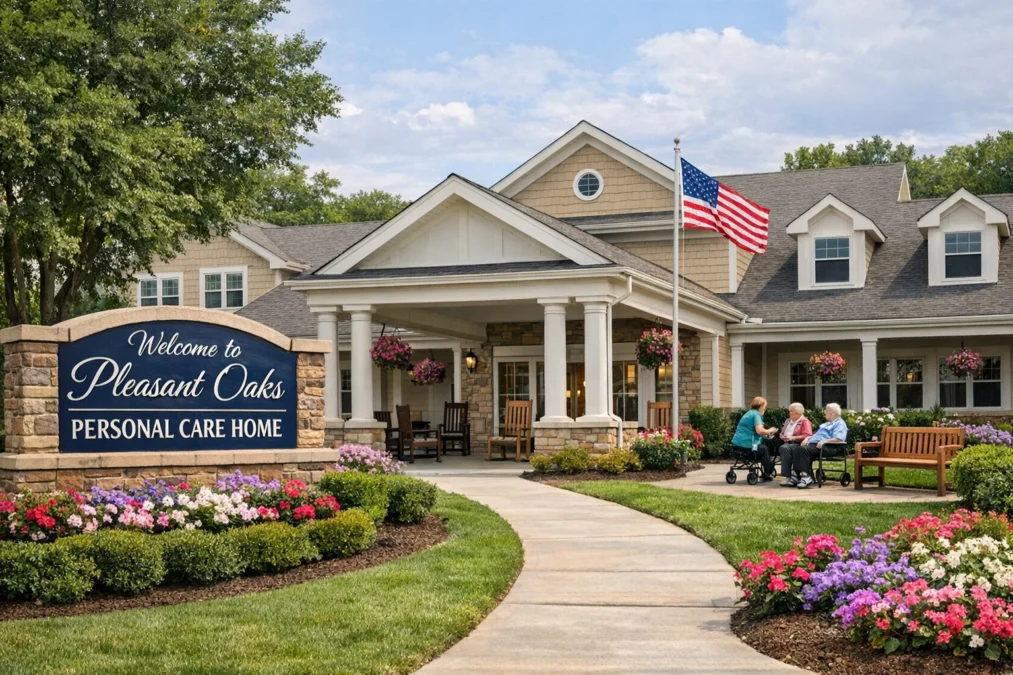
A personal care home is a special place where people receive help with daily life while still enjoying comfort, dignity, and independence. As families grow busier and people live longer, the need for safe and caring environments becomes more important than ever. That’s where a personal care home steps in offering support, companionship, and peace of mind.
In this detailed guide, we’ll explore everything you need to know about a personal care home from services and benefits to choosing the right one. Let’s dive in!
What Is a Personal Care Home?
A personal care home is a residential facility that helps individuals with daily activities. These homes are designed for people who may not need full medical care but still require assistance with everyday tasks.
Residents in a personal care home usually need help with:
- Bathing and grooming
- Dressing
- Eating meals
- Taking medications
- Moving around safely
Unlike hospitals, a personal care home feels more like a regular house or community. It’s warm, welcoming, and focused on making residents feel at ease.
Who Needs a Personal Care Home?
Not everyone needs the same level of care. A personal care home is ideal for people who:
- Are elderly and need some assistance
- Have disabilities but want to live independently
- Are recovering from illness or surgery
- Feel lonely and want companionship
For example, seniors who find it hard to cook or clean may benefit greatly from living in a personal care home. It gives them support without taking away their freedom.
Services Offered in a Personal Care Home
A good personal care home offers a wide range of services to make life easier and more enjoyable.
Daily Living Assistance
Residents receive help with everyday activities such as:
- Bathing and hygiene
- Dressing
- Toileting
Meal Preparation
Nutritious meals are prepared daily. Special diets can also be provided if needed.
Medication Management
Staff ensure that residents take their medicines on time and in the correct amount.
Housekeeping
Cleaning, laundry, and maintenance are handled by staff, so residents don’t have to worry.
Social Activities
Many personal care homes organize:
- Group games
- Movie nights
- Exercise sessions
- Cultural events
These activities help residents stay active and happy.
Benefits of Living in a Personal Care Home
Choosing a personal care home comes with many advantages. Let’s look at some key benefits.
Safety and Security
Personal care homes are designed with safety in mind. Features like handrails, emergency alarms, and trained staff help prevent accidents.
Independence with Support
Residents can still enjoy their independence while receiving help when needed. It’s the best of both worlds!
Social Interaction
Living alone can be lonely. In a personal care home, residents make friends and build strong relationships.
Peace of Mind for Families
Families feel relaxed knowing their loved ones are safe and cared for.
Personal Care Home vs Other Care Options
It’s important to understand how a personal care home differs from other types of care.
| Feature | Personal Care Home | Nursing Home | Home Care |
|---|---|---|---|
| Medical Care | Limited | Full-time medical | Depends on service |
| Living Arrangement | Residential setting | Hospital-like | At home |
| Independence | Moderate | Less | High |
| Social Activities | Yes | Limited | Rare |
| Cost | Moderate | High | Varies |
A personal care home is a great choice for those who need support but don’t require constant medical attention.
How to Choose the Right Personal Care Home
Finding the right personal care home can feel overwhelming, but don’t worry you’ve got this! Here are some helpful tips.
Check the Location
Choose a home that is close to family and friends for easy visits.
Visit the Facility
Take a tour and observe:
- Cleanliness
- Staff behavior
- Resident happiness
Ask Questions
Don’t hesitate to ask about:
- Staff qualifications
- Emergency procedures
- Daily routines
Read Reviews
Look for feedback from other families to understand the quality of care.
Consider Costs
Make sure the personal care home fits your budget while still offering good services.
Daily Life in a Personal Care Home
Life in a personal care home is structured yet flexible. Residents follow a daily routine that includes meals, activities, and rest.
A Typical Day Might Include:
- Morning hygiene and breakfast
- Light exercise or walking
- Social activities or hobbies
- Lunch with fellow residents
- Afternoon rest or games
- Dinner and relaxation
This routine helps residents stay active and maintain a sense of normalcy.
Costs of a Personal Care Home
The cost of a personal care home can vary based on location, services, and amenities.
Factors That Affect Cost:
- Level of care needed
- Room type (private or shared)
- Extra services (therapy, special meals)
While it may seem expensive, many families find it worth the cost because of the quality care and peace of mind it provides.
Some homes also offer financial assistance or payment plans, so it’s always a good idea to ask.
Emotional and Mental Well-Being
A personal care home is not just about physical care it also focuses on emotional health.
Why It Matters:
- Reduces feelings of loneliness
- Encourages social bonding
- Boosts confidence and happiness
Staff members often build strong connections with residents, making them feel valued and respected.
Role of Caregivers in a Personal Care Home
Caregivers are the heart and soul of any personal care home. They provide:
- Compassionate support
- Daily assistance
- Emotional comfort
Good caregivers treat residents like family. Their kindness and patience make a huge difference in the quality of life.
Technology in Modern Personal Care Homes
Today’s personal care home uses technology to improve safety and care.
Common Technologies:
- Emergency call systems
- Health monitoring devices
- Digital medication reminders
These tools help staff respond quickly and ensure residents stay healthy.
Challenges of a Personal Care Home
While a personal care home offers many benefits, there can be some challenges too.
Common Concerns:
- Adjustment to a new environment
- Cost of living
- Limited privacy in shared spaces
However, most residents adapt quickly and begin to enjoy their new lifestyle.
Tips for a Smooth Transition
Moving into a personal care home can feel like a big change. Here’s how to make it easier:
- Bring personal items like photos and favorite books
- Stay in touch with family and friends
- Participate in activities
- Keep a positive mindset
Remember, it’s not just a move it’s a step toward a safer and more comfortable life.
Future of Personal Care Homes
The future of the personal care home industry looks bright. With growing demand, these homes are becoming more advanced and resident-focused.
Trends to Watch:
- Better facilities and design
- More personalized care plans
- Increased use of technology
- Focus on mental health
These improvements will make personal care homes even more appealing in the years to come.
Final Thoughts on Personal Care Home
A personal care home is more than just a place to live it’s a community that offers care, comfort, and companionship. It helps individuals maintain their dignity while receiving the support they need.
Whether you’re considering it for yourself or a loved one, choosing a personal care home can be a life-changing decision. With the right environment, caring staff, and supportive community, residents can truly thrive.
In the end, a personal care home provides not just care, but a better quality of life filled with safety, happiness, and peace of mind.
You may also read
Rashad Amos: A Complete Guide to His Life, Work, and Growing Influence