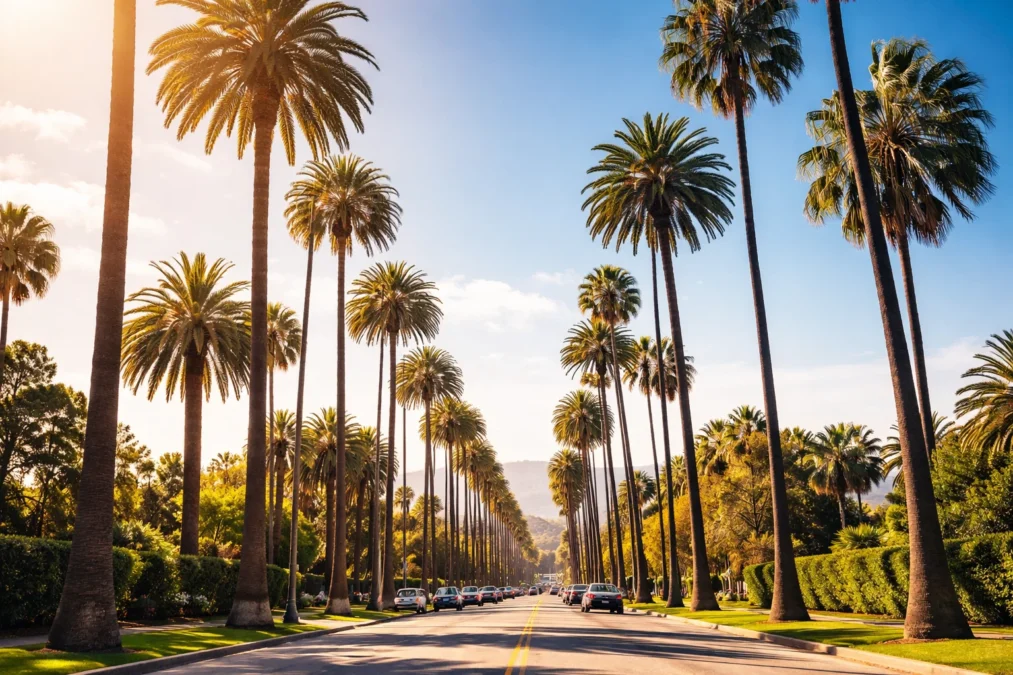
California palm trees are some of the most iconic plants in the world. When people think about sunny streets, beaches, and warm weather, they often imagine tall palm trees lining the roads. These trees are not just beautiful they also tell a story about nature, culture, and history in California.
In this detailed guide, you will learn everything about california palm trees. From their types and origins to how they grow and why they are so popular, this article will give you clear, simple, and useful information.
What Are California Palm Trees?
California palm trees are tall, tropical-looking trees found across the state. They are known for their long trunks and large, fan-shaped or feather-like leaves.
Interestingly, not all california palm trees are native to the region. Many were brought from other parts of the world, but they have adapted well to California’s climate.
Key Features of California Palm Trees
- Tall and slender trunks
- Green, wide leaves at the top
- Strong resistance to dry weather
- Long lifespan (many live for decades)
These features make california palm trees perfect for landscaping and decoration.
Are California Palm Trees Native?
This is a common question and the answer might surprise you.
Only one type of palm tree is truly native to California:
- California Fan Palm (Washingtonia filifera)
Most other california palm trees were imported from places like:
- Mexico
- South America
- The Middle East
Why Were Palm Trees Brought to California?
People planted california palm trees for several reasons:
- To make cities look more attractive
- To create a tropical feeling
- To show wealth and beauty in early developments
Over time, these trees became a symbol of California living.
Popular Types of California Palm Trees
There are many types of california palm trees, but some are more common than others.
Mexican Fan Palm
- Very tall and thin
- Found in cities like Los Angeles
- Fast-growing and widely planted
California Fan Palm
- The only native species
- Grows in desert areas
- Has fan-shaped leaves
Canary Island Date Palm
- Thick trunk and large crown
- Often used in parks and gardens
- Produces small dates
Date Palm
- Known for edible dates
- Grown in warm desert regions
- Important for agriculture
Each type adds its own charm to california palm trees landscapes.
Where Can You Find California Palm Trees?
California palm trees are spread all across the state, but they are most common in warm areas.
Popular Locations
- Los Angeles
- San Diego
- Palm Springs
- Santa Barbara
These areas have the perfect weather for palm trees.
Why These Areas?
Palm trees love:
- Warm temperatures
- Lots of sunlight
- Dry conditions
California offers all of these, making it ideal for growing california palm trees.
Climate and Growth Conditions
California palm trees grow best in specific conditions.
Ideal Climate
- Warm and sunny
- Mild winters
- Low rainfall
Soil Requirements
- Well-drained soil
- Sandy or loamy ground
Water Needs
- Moderate watering
- Drought-resistant once mature
Even though they look tropical, many california palm trees can survive dry climates.
How to Care for California Palm Trees
Taking care of california palm trees is easier than you might think.
Basic Care Tips
- Water regularly when young
- Trim dead leaves
- Protect from pests
- Provide enough sunlight
Common Problems
- Yellow leaves (lack of nutrients)
- Pest attacks (like beetles)
- Root rot (too much water)
With proper care, california palm trees can stay healthy for many years.
Benefits of California Palm Trees
California palm trees are not just pretty they also offer many benefits.
Environmental Benefits
- Provide shade
- Improve air quality
- Support wildlife
Social Benefits
- Enhance city beauty
- Increase property value
- Create a relaxing atmosphere
Economic Benefits
- Used in tourism branding
- Attract visitors
- Support landscaping industries
These benefits make california palm trees very valuable.
Fun Facts About California Palm Trees
Here are some interesting facts that make california palm trees even more fascinating:
- Some palm trees can grow over 100 feet tall
- They are not true trees they are actually grasses
- Palm trees can live for over 80 years
- They don’t grow branches like regular trees
Pretty cool, right?
Table: Quick Overview of California Palm Trees
| Feature | Details |
|---|---|
| Native Species | California Fan Palm |
| Common Types | Mexican Fan Palm, Date Palm |
| Climate | Warm and sunny |
| Height | Up to 100 feet |
| Lifespan | 50–100 years |
| Uses | Landscaping, decoration, tourism |
This table gives a quick snapshot of california palm trees.
Challenges Facing California Palm Trees
Even though california palm trees are strong, they still face challenges.
Major Issues
- Climate change
- Pests and diseases
- Water shortages
- Urban development
These problems can affect the growth and survival of california palm trees.
The Cultural Importance of California Palm Trees
California palm trees are more than just plants they are part of the culture.
Symbol of California
- Represent sunshine and relaxation
- Seen in movies and postcards
- Associated with beach life
In Media and Art
- Featured in films and TV shows
- Used in paintings and photography
- Popular in social media
They have become a global symbol of California’s lifestyle.
Future of California Palm Trees
The future of california palm trees looks both exciting and challenging.
What to Expect
- More focus on native species
- Better care and maintenance
- Sustainable planting methods
Cities are now thinking carefully about how to keep california palm trees healthy for future generations.
Conclusion: Why California Palm Trees Matter
California palm trees are truly special. They bring beauty, shade, and life to cities and landscapes. While many are not native, they have become a strong part of California’s identity.
From their tall trunks to their green leaves, california palm trees remind us of warm weather, sunny skies, and peaceful surroundings. With proper care and awareness, these trees will continue to thrive for many years to come.
In the end, california palm trees are more than just trees they are a symbol of nature, culture, and timeless beauty.
You may also read
Toyota Corolla Cross Hybrid: A Complete Guide to a Smart and Efficient SUV