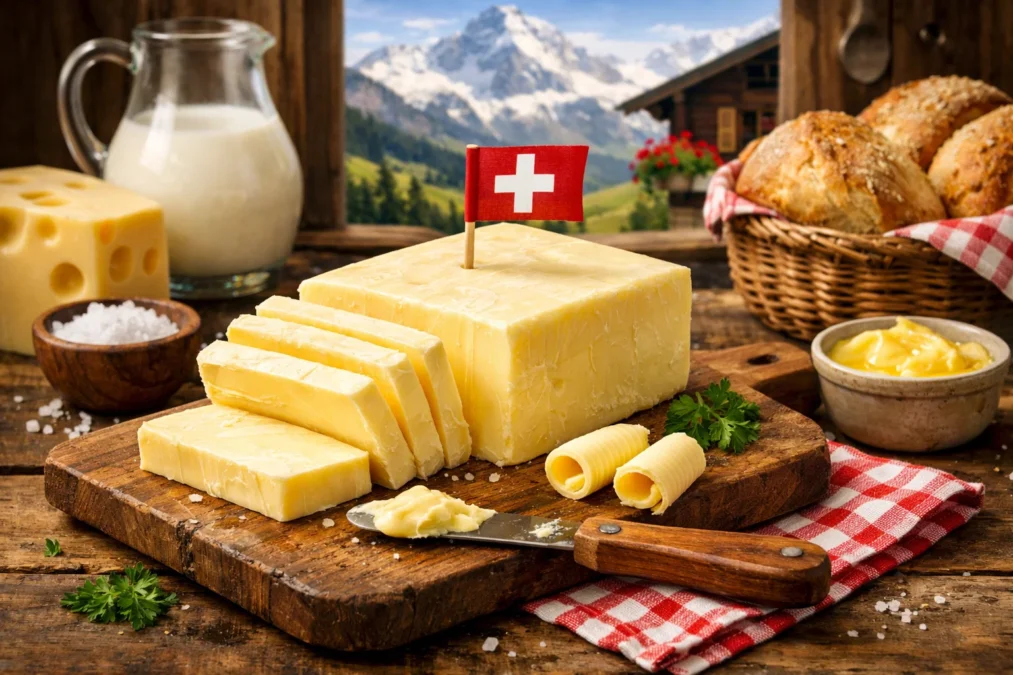
Swiss Butter: Imagine a substance so foundational, so rich in character, that it has shaped the gastronomic identity of an entire nation. Picture verdant alpine pastures, the gentle clang of cowbells, and a centuries-old dedication to dairy craftsmanship. This is the world from which authentic Swiss butter emerges. More than just a simple fat, Swiss butter is a culinary icon, representing a pinnacle of quality, flavor, and tradition that resonates from the humblest farmhouse kitchen to the most demanding professional patisserie. Its reputation is not an accident but the direct result of a unique confluence of geography, stringent standards, and an unwavering cultural commitment to excellence in dairy.
This comprehensive guide delves deep into the heart of this golden treasure, unraveling the science behind its superior texture, the traditions that define its production, and the practical reasons why this specific Swiss butter holds such an authoritative place in the pantheon of world-class ingredients. We will explore its journey from grass to table, decode its nutritional profile, and master its myriad applications, providing you with the knowledge to not only appreciate but also expertly utilize this exceptional product.
The Alpine Terroir: Where Flavor Begins
The story of Swiss butter begins not in a factory, but in the open air, on the slopes of the Swiss Alps. The concept of “terroir” a term often reserved for wine is absolutely critical to understanding dairy here. The biodiversity of alpine meadows is staggering, with hundreds of species of grasses, herbs, and flowers flourishing in the clean, mineral-rich soil and under the intense summer sun. When cows graze on this natural bouquet, the complex flavors and aromatic compounds are transferred directly into their milk.
This “alpine milk” possesses a inherently richer profile, with higher levels of beneficial omega-3 fatty acids and beta-carotene, which later impart a slightly golden hue and a nuanced, subtly grassy sweetness to the butter. The pristine environment, free from industrial pollution, and strict regulations against genetically modified feed, ensure the purity of the raw material. In essence, the pasture is the first and most important ingredient, making the terroir of Switzerland an irreplicable starting point for premium Swiss butter.
Defining Swiss Butter: Standards and Regulations
What legally distinguishes Swiss butter from other varieties? The answer lies in a robust framework of federal ordinances and protected designations. In Switzerland, the term “butter” is reserved exclusively for the product made from cream sourced within the country, adhering to some of the world’s most rigorous dairy standards. Key regulations mandate a minimum fat content of 82% often higher than many international counterparts which is crucial for its stand-up texture and flavor concentration.
Furthermore, the production is meticulously controlled, with allowances only for physical processes like churning, kneading, and washing. The addition of colorants, preservatives, or artificial flavorings is strictly prohibited. For the highest echelon, look for the “SWISSGAP” or “AOP” (Appellation d’Origine Protégée) labels, which guarantee not only Swiss origin but also specific, traditional production methods. These rules create a consistent, high-quality benchmark, ensuring that every block of genuine Swiss butter delivers on its promise of purity and taste.
The Artisanal Churn: From Cream to Golden Tableau
The transformation of cream into butter is a fascinating dance of physics and patience. While industrial methods exist, the most prized Swiss butter often follows a more artisanal, slow-churned path. The process begins with the freshest cream, which is first matured or cultured. In the case of the beloved beurre à la fleur (cultured butter), specific lactic acid bacteria are introduced. These cultures feed on the lactose, developing the tangy, complex flavors and aromas characteristic of fine European butters.
This matured cream is then churned. As the fat globules in the cream are agitated, they begin to clump together, eventually separating from the liquid buttermilk. The resulting butter grains are then meticulously “washed” with cold, pure water to remove any residual buttermilk, a step critical for ensuring longevity and a clean flavor. Finally, the butter is kneaded. This stage is an art form, working the butter to achieve the perfect, dense, and pliable consistency that won’t weep or separate. It is here that the final texture smooth, firm, and spreadable is mastered.
A Matter of Culture: Sweet Cream vs. Cultured Butter
Understanding the difference between sweet cream and cultured butter is essential for any culinary enthusiast. Sweet cream butter is churned from fresh, pasteurized cream before bacterial cultures have a significant effect. The result is a milder, cleaner taste that beautifully conveys the pure, sweet flavor of the cream itself. It is an excellent, versatile choice for baking applications where the butter’s flavor should support, not dominate, other ingredients.
Cultured butter, the star of the Swiss butter canon, is a different experience altogether. The cream is inoculated with live bacterial cultures and allowed to ferment for several hours, sometimes longer. This culturing process produces lactic acid and a symphony of aromatic compounds. The butter that emerges is fuller-bodied, with a distinctive, delightful tang and a richer, more complex aroma often described as slightly nutty or cheesy. This depth makes cultured butter exceptional for finishing sauces, spreading on bread, or anywhere its pronounced flavor can shine. As one esteemed Swiss fromager once noted, “The culturing process is what gives butter a voice. Without it, it merely whispers.”
The Nutritional Profile: Beyond the Fat
While butter is an energy-dense food, high-quality Swiss butter offers nutritional nuances worth noting. It is a natural source of the fat-soluble vitamins A, D, E, and K2. Vitamin A is vital for vision and immune function, while the form of Vitamin K2 found in grass-fed dairy is crucial for directing calcium to bones and teeth. The fatty acid composition is also influenced by the cows’ grass-based diet, featuring a better ratio of omega-6 to omega-3 fatty acids and containing Conjugated Linoleic Acid (CLA), a fatty acid studied for its potential health benefits.
It is, of course, predominantly a saturated fat, which is why it should be enjoyed as part of a balanced diet. However, the “food matrix” concept is important here: the nutrients in Swiss butter are delivered within a whole, natural food structure, alongside other components like milk fat globule membranes, which may influence how the body metabolizes it. Choosing butter from pasture-raised cows, as is standard in Switzerland, ensures you are getting the most nutritionally robust version of this ancient food.
The Baker’s Secret Weapon: Performance in Pastry
In the realm of baking, Swiss butter is not just an ingredient; it is a tool of precision. Its consistently high fat content and low water content (often around 16%, compared to the 20%+ allowed in some regions) are of paramount importance. In laminated doughs like croissants and puff pastry, the butter must be malleable yet firm, forming perfect, continuous layers between sheets of dough without melting or soaking in. The steam released from the butter’s water content during baking lifts these layers, creating flakiness, while the fat itself fries the dough from within, yielding that irresistible golden color and rich flavor.
For cakes and cookies, the quality of butter directly impacts texture and taste. Cultured Swiss butter can add a subtle depth to shortbread or pound cake, while its reliable melting point ensures cookies spread just the right amount. The purity of Swiss butter, free from additives, means bakers have complete control over their results, as the butter behaves predictably and consistently, batch after batch. It is this reliability that makes it a non-negotiable for so many professional pastry chefs.

The Chef’s Finishing Touch: Sauces and Savory Applications
Beyond baking, the role of Swiss butter in savory cooking is equally transformative. In classical French and Swiss cuisine, butter is not merely a cooking medium but a finishing agent and a source of unparalleled richness. The technique of monter au beurre whisking cold butter into a reduced sauce just before serving relies on butter with a perfect emulsion of fat and water. High-quality butter seamlessly incorporates, thickening the sauce into a glossy, velvety coating without breaking or becoming greasy.
The flavor of a cultured butter can elevate the simplest dish. A knob melted over a just-grilled steak, a pat stirred into steamed vegetables, or a slice melting into a bowl of creamy potato rösti these applications allow the butter’s character to be the star. In a traditional Züri Gschnätzlets (Zurich-style veal), the sauce’s luxurious texture and flavor are utterly dependent on the quality of the butter used to finish it. In these contexts, Swiss butter acts as both a flavor enhancer and a textural miracle worker.
Global Standing and Market Comparison
How does Swiss butter compare to its famous counterparts from France, Ireland, or New Zealand? Each has its virtues, shaped by its own terroir and traditions. French butter, particularly from Normandy or Brittany, is also often cultured and is renowned for its pronounced, sometimes pungent, flavor and higher fat content. Irish butter, famously grass-fed, is celebrated for its rich, yellow color and creamy sweetness. New Zealand butter shares this grass-fed advantage, with a bright, clean flavor.
Swiss butter occupies a distinct niche. It often presents a perfect middle ground: consistently rich and flavorful from alpine grazing, with the complex tang of culturing, but frequently with a slightly firmer texture and a cleaner, less aggressively fermented note than some French styles. The following table breaks down key comparative characteristics:
| Characteristic | Swiss Butter | French Butter (Normandy) | Irish Butter | New Zealand Butter |
|---|---|---|---|---|
| Primary Diet | Alpine Grass & Herbs | Pasture & Hay | Lush Pasture Grass | Year-Round Grass |
| Typical Fat % | 82% – 84% | 82% – 86% | 82% | 82% – 83% |
| Culturing | Common (Beurre à la Fleur) | Very Common (Beurre de Baratte) | Less Common (Sweet Cream is standard) | Rare (Primarily Sweet Cream) |
| Flavor Profile | Clean, Nutty Tang, Grassy Sweetness | Pronounced, Pungent, Complex Tang | Sweet, Creamy, Rich | Bright, Fresh, Grassy |
| Texture | Dense, Firm, Excellent for Lamination | Soft, Pliable, Spreadable | Soft and Spreadable | Firm, Good All-Purpose |
| Key Strength | Balance, Purity, Baking Structure | Bold Flavor for Finishing | Sweet Creaminess | Accessible Grass-Fed Quality |
Selecting and Storing for Maximum Freshness
To enjoy Swiss butter at its best, selection and storage are key. Always check the label for origin guarantees like “Made in Switzerland” or protected designations. If you can find a local cheesemonger or gourmet grocer who imports directly, you may have access to smaller, farm-based producers. Look for butter that is firm to the touch and uniformly colored, with no signs of oxidation (dark yellow patches) or moisture pooling.
Butter is a living dairy product and is susceptible to absorbing odors and developing off-flavors. For short-term use (within a week or two), a proper butter bell or crock, which seals the butter under a layer of water, can keep it spreadable and fresh at room temperature. For longer storage, the freezer is your best friend. High-fat Swiss butter freezes exceptionally well. Wrap the original block tightly in wax paper and then in aluminum foil or a freezer bag, and it will maintain its quality for up to six months. Thaw slowly in the refrigerator before use.
The Cultural Icon: Butter in Swiss Heritage
Swiss butter is deeply woven into the fabric of the nation’s cultural and culinary heritage. It appears in iconic dishes that define Swiss comfort food: melted into the crispy base of a Rösti, enriching the creamy sauce of a Älplermagronen (Alpine macaroni), or as the foundational element in the celebratory Butterzopf, a braided bread served on Sundays and holidays. Historically, butter was a valuable commodity, a sign of wealth and prosperity, and was even used as a form of payment for taxes in some regions.
This cultural reverence is celebrated in festivals and traditions, particularly in the alpine cantons. The descent of the cows from the high pastures in autumn, known as the Alpabfahrt or Désalpe, is a major event, celebrating the bounty of the summer’s milk, which would have been turned into butter and cheese for the winter. This deep connection between the land, the animal, the product, and the table is what elevates Swiss butter from a mere ingredient to a symbol of a way of life.
Sustainability and Ethical Production
Modern Swiss dairy farming operates under a strong ethos of sustainability and animal welfare. The “Swissmilk Green” program outlines ambitious goals for reducing greenhouse gas emissions, promoting biodiversity in pastures, and ensuring responsible resource use. Cows in Switzerland spend a significant portion of the year on pasture, a practice that is not only beneficial for the animals’ well-being but also for the health of the soil and the ecosystem.
The majority of Swiss dairy farms are small, family-run operations, preserving rural communities and traditional knowledge. This model supports a more transparent and traceable supply chain, from the individual farm to the dairy cooperative. When you choose authentic Swiss butter, you are indirectly supporting an agricultural system that prioritizes environmental stewardship, animal welfare, and the preservation of cultural landscapes the very alpine meadows that give the butter its unique character.
Beyond the Block: Clarified Butter and Other Forms
The utility of Swiss butter extends into its derived forms. Clarified butter, known as Butterschmalz in German-speaking Switzerland, is butter that has been slowly melted to separate and remove the milk solids and water. What remains is nearly 100% pure butterfat with a very high smoke point (around 485°F or 252°C), making it exceptional for high-heat frying and sautéing without burning. It also has an extraordinarily long shelf life.
Another treasured product is Molkenguetzli or Ricotta, which is technically the fresh cheese made from recooking the whey (and sometimes the buttermilk) left after butter production. This exemplifies a no-waste approach, using every part of the milk. Furthermore, seasoned butter blends, like Kräuterbutter (herb butter), are a staple, showcasing how the clean, rich base of Swiss butter provides the perfect canvas for other bold flavors like garlic, parsley, and chives.
Conclusion
From the flower-strewn alpine pastures to the expertly controlled churn, and from the baker’s bench to the chef’s pan, Swiss butter stands as a testament to the pursuit of dairy perfection. It is a product where strict regulation meets artisanal craft, where terroir is tangible in every golden pat, and where centuries of tradition inform modern culinary excellence. Its superior texture, nuanced flavor, and reliable performance make it an indispensable tool for professionals and a luxurious treat for home cooks.
To choose Swiss butter is to choose a story a story of clean air, careful hands, and a deep-seated respect for quality. It is an invitation to elevate everyday cooking into an experience, to taste the essence of a landscape, and to understand why this simple, yet profound, ingredient has earned its place as a global authority in the world of fine food.
Frequently Asked Questions
What makes Swiss butter different from regular butter?
Authentic Swiss butter is defined by its origin, standards, and often its production method. Legally, it must be made from Swiss cream with a minimum 82% fat content, no additives, and is frequently cultured, giving it a firmer texture and a distinct, tangy flavor profile derived from the diverse alpine grasses the cows consume.
Is Swiss butter better for baking pastries?
Yes, its consistently high fat content and lower water content make it exceptionally well-suited for laminated doughs like croissants and puff pastry. The butter creates strong, separate layers that yield superior flakiness and richness, making it a secret weapon for professional bakers seeking reliable, high-quality results.
Why is some Swiss butter more yellow than others?
The natural color comes from beta-carotene, a pigment found in the fresh grasses and herbs of alpine pastures. The intensity of the yellow can vary with the seasons being richest in spring and summer when pasture is most vibrant and the breed of cow. No artificial colorings are permitted in genuine Swiss butter.
Should I refrigerate Swiss butter?
For long-term storage, refrigeration is necessary. However, for immediate use and optimal spreadability, keeping a small amount in a butter bell or dish at cool room temperature for a few days is fine, thanks to its low moisture and high fat content. Always protect it from light and strong odors.
Can I use Swiss butter for high-heat frying?
For direct high-heat frying, it’s better to use a derived product like Butterschmalz (clarified butter), where the milk solids have been removed. This raises the smoke point significantly. While the flavor of whole Swiss butter is superb for finishing, its milk solids can burn at higher temperatures.
You may also read
Your Complete Guide to Home Bargains Torquay Opening Times and Shopping Secrets