
How Did Makka Pakka Die In the gentle, rhythmic world of In the Night Garden…, a CBeebies show designed to lull toddlers into peaceful sleep, a dark and persistent rumor took root in the darker corners of the internet. A chilling question began to surface in search engines and social media forums: “How did Makka Pakka die?” For millions of parents and fans, this query was not just baffling but profoundly unsettling. How could a character from a show about soothing bedtime routines become the subject of such morbid speculation? This article serves as the definitive exploration of this digital-age mystery.
We will dissect the origins of the rumor, analyze the psychological and social mechanics behind its spread, and reaffirm the joyful, living truth of Makka Pakka. This is not just a story about a children’s character; it’s a case study in how misinformation proliferates online, why our minds are drawn to such narratives, and how to separate internet folklore from reality. The journey to answer “how did Makka Pakka die” reveals far more about our digital culture than it does about the beloved stone-dwelling creature.
The Wholesome Universe of In the Night Garden…
In the Night Garden… is a BAFTA-winning BBC television series created by Andrew Davenport and Anne Wood, the minds behind Teletubbies. It premiered in 2007 with a singular, gentle mission: to provide a calming, predictable, and visually enchanting pre-bedtime experience for the youngest of viewers. The show is set in a magical forest filled with oversized flowers, soft trumpet sounds, and a cast of unique characters who engage in simple, repetitive play. The narrative is framed by Igglepiggle sailing to the garden each episode and leaving on his boat at the end, bookending the gentle adventures with a sense of comforting ritual.
The dialogue is minimal, often consisting of character names and simple action words, set to a lush, orchestral score.The show’s aesthetic is a key to its success. It employs a mix of elaborate puppetry, costume actors, and digital effects to create a world that feels both fantastical and tactile. The color palette is rich but soothing, dominated by blues, purples, and greens.
This carefully constructed environment is engineered to lower stimulation, not raise it. Every element, from the slow gliding of the Pinky Ponk to the gentle nodding of the Haahoos, is designed to ease the transition from wakefulness to sleep. It is, by deliberate design, the antithesis of conflict, danger, or tragedy. Understanding this foundational purpose is crucial when confronting the jarring disconnect of a search query like “how did makka pakka die, which injects a concept wholly alien to the show’s ethos.
Introducing Makka Pakka: The Heart of the Garden
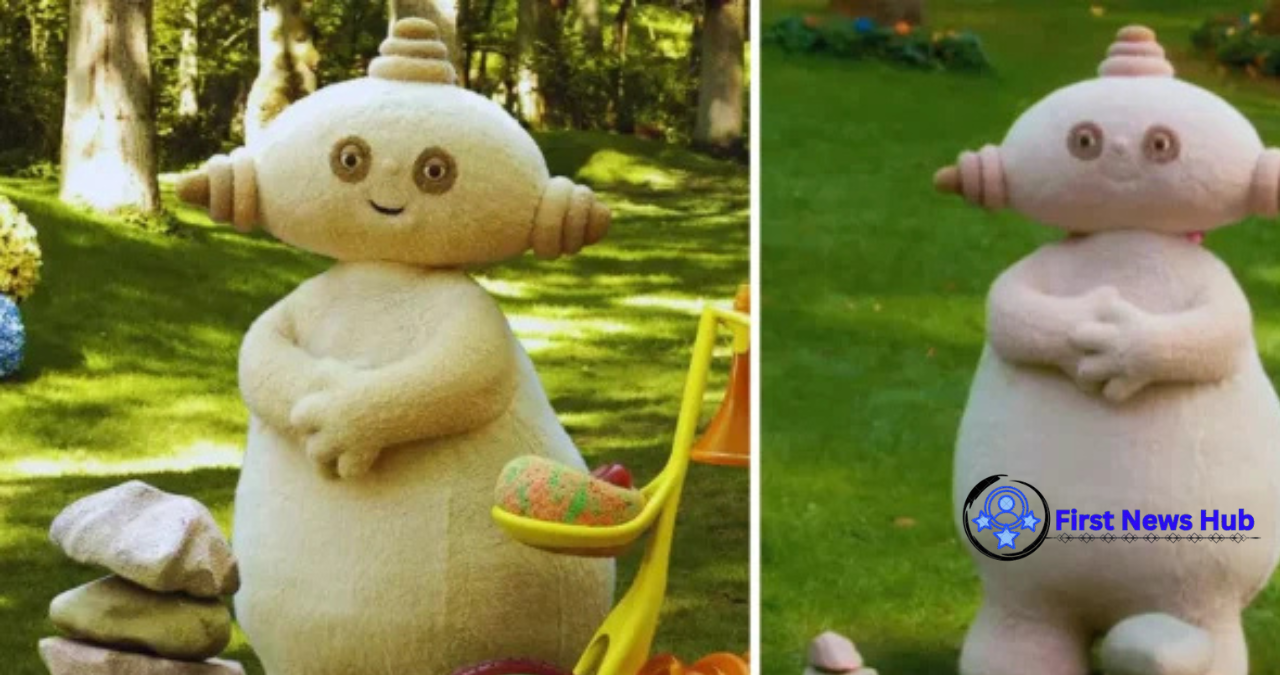
Among the garden’s residents, Makka Pakka holds a special place. He is a small, cave-dwelling creature with a rounded body, wide eyes, and a distinctive tuft of hair. His primary joys in life are simple and profound: collecting and washing stones, and hugging his friends. Makka Pakka lives in a cozy rock cave, travels via his “Uff-Uff” tricycle, and is often seen with his three essential tools a sponge, a bar of soap, and his beloved “Og-Pog” stone-washing machine. His theme music is a cheerful, rhythmic chant of his own name, and his actions are methodical and satisfying. He represents cleanliness, order, friendship, and the quiet contentment found in simple, repetitive tasks.
Makka Pakka’s character embodies pure, unadulterated innocence. He exhibits no malice, fear, or complex emotions. He is a figure of stability and gentle care within the narrative. His role is to cleanse and reset, both his stones and, in a metaphorical sense, the play of the other characters. The idea of harm coming to Makka Pakka is not just absent from the text of the show; it is narratively impossible within its constructed world. He is a bedrock of safety. Therefore, the emergence of the rumor posing the question “how did Makka Pakka die” is a violent intrusion of an external, adult-world anxiety onto a space meticulously designed to be free from it. It represents a fundamental misunderstanding or a deliberate corruption of the character’s purpose.
The Genesis of a Morbid Rumor: Tracing the Digital Footprints
The exact patient zero for the “how did Makka Pakka die” rumor is frustratingly elusive, as is common with most internet folklore. It appears to have emerged in the late 2000s to early 2010s, coinciding with the show’s peak popularity and the rise of social media platforms like Facebook, YouTube, and early internet forums like 4chan and Reddit. These platforms provided fertile ground for “creepypasta” user-generated horror stories that spread virally. The rumor likely began as a piece of text-based creepypasta or a shocking, clickbait-style YouTube video title designed to generate views from curious or concerned fans. The algorithm, indifferent to truth, then amplified this engagement.
Another potential origin lies in the realm of ironic or absurdist humor common in online communities. Posting a jarring, dark question about an intensely wholesome subject can be a form of comedic shock value. A meme format might simply juxtapose an image of Makka Pakka with a tragic headline. However, as this content escaped its original, irony-laden context and reached a wider, often younger audience,
the humorous intent was lost. The question began to be taken at face value, especially by older siblings, teenagers, or parents who encountered it out of context. Searches for “how did makka pakka die” then formalized the rumor, giving it the appearance of a legitimate query with a potential answer, thus perpetuating its lifecycle in Google’s search suggestions and results.
The Psychology of the “Dark Rumors” Phenomenon
Our fascination with dark twists on childhood media is not new; it’s a well-documented psychological and cultural phenomenon. This is often referred to as “creepy-cute” or the process of “nostalgia inversion.” Characters and shows that are saccharine and safe can create a kind of cognitive tension. For some, especially adolescents and adults re-engaging with media from their younger years, superimposing a dark narrative is a way to reclaim, re-contextualize, or assert maturity over something perceived as childish.
It’s an attempt to bridge the gap between the innocent past and a more complex, sometimes cynical, present. The question “how did Makka Pakka die” fits neatly into this pattern, offering a way to engage with the show through a startlingly different, more “adult” lens.
From a social psychology standpoint, sharing and speculating on such rumors fulfills several needs. It creates a sense of in-group knowledge or “forbidden” insight for those in on the “secret.” It generates engagement through shock and curiosity, a powerful driver on social media. Furthermore, the human brain is primed to pay attention to potential threats and negative information a survival mechanism known as negativity bias. A headline suggesting a beloved character’s death is inherently more attention-grabbing than one reaffirming their continued existence. This bias ensures that rumors like “how did Makka Pakka die” travel faster and further than factual, positive content, creating a distorted perception of reality where the false narrative feels more prevalent than the truth.
Deconstructing the Most Common “Theories” and Claims
A variety of specific, gruesome narratives have been proposed by the rumor mill to answer the grim prompt of “how did Makka Pakka die?” One prevalent “theory” suggests he was tragically crushed by a giant, rolling stone a dark perversion of his love for smaller stones. Another claims he drowned while washing his stones in a river, or that he succumbed to a mysterious “soap poisoning” from his cleaning supplies. More elaborate versions frame his death as a metaphorical fall from grace or tie it to bizarre, fabricated production secrets about the actor inside the costume. These narratives are often shared in a pseudo-documentary style, mimicking the tone of true crime or exposé content to lend an air of credibility to the fiction.
Analyzing these claims reveals their flimsy foundation. They are all classic examples of narrative construction using the character’s established traits (stones, washing) and twisting them into instruments of doom. This is a common tactic in creepypasta, making the horror feel more intimately connected to the source material. However, not a single claim is backed by any evidence from the show’s hundreds of episodes, its creators, the BBC, or any reputable source. They exist solely in the echo chambers of forums and video comment sections.
The persistence of these theories demonstrates the powerful human tendency to complete a narrative, even a morbid one, once a compelling question like “how did Makka Pakka die” has been posed. The void of an answer demands to be filled, and imagination, fueled by online speculation, rushes in.
Official Sources and Creator Intent: Setting the Record Straight
The definitive answer to the rumor is a resounding and unambiguous rejection from every official channel associated with In the Night Garden…. The BBC, as the producer and broadcaster, maintains the show as a living, active property in its CBeebies lineup and on its streaming platforms. There has never been an episode, special, or official statement that depicts or references the death of any character, let alone Makka Pakka. The show’s creators, Andrew Davenport and Anne Wood, have crafted a universe explicitly devoid of such themes. Their public interviews and the show’s extensive production materials focus entirely on its developmental benefits, artistic vision, and calming techniques. The very notion is antithetical to their life’s work.
To suggest that the creators would embed or even countenance such a dark subtext is to fundamentally misunderstand their mission and professional integrity. These are individuals dedicated to early childhood development and creating secure, joyful media. The rumor of “how did Makka Pakka die” is an external fabrication, a digital ghost story that has been pinned onto the show without its consent. Engaging with the official text the actual episodes provides the only credible insight. In that text, Makka Pakka is alive, well, and perpetually engaged in his joyful routines. He greets each new day in the Night Garden with the same cheerful energy, his existence a continuous loop of gentle play, utterly untouched by the specter of mortality that the internet has tried to impose upon him.
The Role of Algorithmic Amplification and Search Engines
The lifecycle of the “how did makka pakka die” rumor is a textbook case of how search engines and social algorithms can accidentally legitimize falsehoods. When a sufficient number of people begin searching for a phrase, Google’s autocomplete function starts to suggest it. This suggestion is often misinterpreted by users as an indication that the phrase is linked to factual events, creating a false consensus effect. People think, “If Google is suggesting it, it must be a real thing people are talking about for a reason.” This leads more people to click the suggestion, further boosting its search volume and cementing it in the algorithm, creating a vicious, self-fulfilling cycle of misinformation.
Furthermore, content farms and low-quality websites that thrive on traffic will often create pages directly targeting these trending search queries. They publish articles with titles like “The Shocking Truth About Makka Pakka’s Fate” that are purely speculative or simply rehash the rumors, all to capture clicks from concerned searchers. These pages then rank in search results, giving the rumor a veneer of published “evidence.” The algorithm sees engagement (clicks, time on page, discussion) and interprets it as relevance, pushing the content higher. Thus, a person genuinely wondering “how did Makka Pakka die” after hearing a rumor is met with search results that reinforce the fiction, making it incredibly difficult to find the simple, factual answer that it never happened.
Comparative Analysis: Makka Pakka in the Pantheon of Children’s Media Rumors
The phenomenon surrounding Makka Pakka is far from isolated. It sits within a long and peculiar tradition of dark rumors attached to children’s programming. A comparative analysis reveals common patterns and motivations behind these cultural myths.
| Character/Show | Nature of the Rumor | Proposed “Cause” / Theory | Psychological/Social Driver |
|---|---|---|---|
| Makka Pakka (In the Night Garden…) | Death of the character | Crushed by a stone, drowned, soap poisoning | Nostalgia inversion, shock humor, algorithmic amplification. |
| Poppy (Trolls) | Death of the character | A “deleted scene” where she dies. | Movie franchise fan speculation, “sad ending” trend. |
| The Bear (Teletubbies) | Sinister, adult symbolism | The bear was a pedophile warning. | Moral panic, pareidolia (seeing patterns in randomness). |
| SpongeBob SquarePants | Death/Afterlife theories | He and the characters are dead souls. | Over-analysis of show’s absurdity, “dark reading” trend. |
| Skipper (Barbie) | Secret pregnancy/maturity | Pregnant from Ken, hidden by Mattel. | Imposing adult narratives onto childhood toys. |
| The Purple Tele tubby | Death of the actor | Child actor died, replaced by a doll. | Confusion of actor/character, urban legend structure. |
As the table illustrates, the “how did Makka Pakka die” query shares DNA with these other rumors. They often involve death, secret adult themes, or corporate cover-ups. The drivers are consistently a mix of psychological projection (imposing complex themes onto simple texts), social bonding through shared “secret knowledge,” and the structural incentives of digital platforms that reward engagement at any cost. Makka Pakka’s rumor is a modern, algorithmically supercharged version of the classic “purple Tele tubby” or “subliminal message” panic of earlier media generations.
The Impact on Parents and Young Fans
For parents who use In the Night Garden… as a trusted bedtime tool, encountering the “how did makka pakka die” rumor can be genuinely distressing. It represents an invasion of a safe space. A parent might stumble upon it while searching for an episode list or toy, leading to immediate anxiety: “Is this something my child will see? Do I need to explain this? Is the show somehow inappropriate?” This creates unnecessary stress and can poison their own enjoyment of the show with their child. It forces them into a position of being a misinformation debunker, a role no parent needs when simply trying to wind down for the evening with a gentle program.
For older siblings or children who are transitioning out of the show but encounter the rumor online, the impact can be one of confusion or a spoiled sense of nostalgia. A cherished childhood memory is suddenly framed with a grim alternate narrative. While most can recognize it as false, it can still leave an unpleasant residue. This highlights a key responsibility for content creators and platforms: to ensure that official, accurate information is easily accessible and promoted to counteract these viral falsehoods. Protecting the integrity of children’s media spaces from such invasive digital folklore is crucial for maintaining their intended purpose of providing security and comfort.
Digital Literacy in the Age of Viral Misinformation
The saga of the “how did Makka Pakka die” rumor serves as a perfect, low-stakes case study for teaching essential digital literacy skills. The first lesson is source evaluation. Encouraging individuals to ask, “Where is this information coming from?” is paramount. An anonymous forum post or a sensational YouTube video holds zero authority compared to the official BBC website or statements from the show’s creators. Teaching people to trace claims back to their primary source is a fundamental defense against misinformation.
The second lesson involves understanding motivation and engagement economics. Why would someone create or share this? Often, the motivation is not to inform, but to generate clicks, views, shares, or social capital through shock value. Recognizing that platforms financially reward engagement whether the content is true or false helps users become more skeptical consumers. As Dr. Sarah Johnson, a media psychologist, notes, “Rumors like the one questioning a character’s vitality often thrive in the gap between a viewer’s emotional connection and a lack of official narrative closure. The digital landscape fills that gap not with truth, but with whatever generates the strongest reaction.” Applying this critical lens to any surprising claim, from the trivial to the political, is a vital skill for navigating the modern internet.
The Resilience of Wholesome Media and Character Legacy
Despite the persistent shadow of the “how did Makka Pakka die” search trend, the true legacy of Makka Pakka and In the Night Garden… remains unsullied. The show continues to be broadcast globally, streamed on demand, and its characters feature on toys, books, and live stage shows that bring joy to thousands of children every day. Makka Pakka’s image is not one of tragedy, but of happy routine a small creature finding immense satisfaction in cleaning his friends and his collection of stones. This is the authentic, lasting cultural imprint. The digital rumor is a footnote, a strange piece of metadata, but it does not define the character’s existence in the hearts of his intended audience.
The resilience of this wholesome media underscores an important point: the lived, shared experience of millions of families watching the show together holds far more cultural weight than a niche online myth. For every person who types that morbid query into a search bar, there are tens of thousands of children quietly watching Makka Pakka put his stones through the Og-Pog, feeling a sense of order and calm. The character’s legacy is secure in these moments of simple, present joy. The rumor, in its attempt to impose a narrative ending, ironically highlights the character’s timeless, cyclical nature in the Night Garden, every day is a new beginning, and no story ever truly ends.
Proactive Measures: How to Counteract False Narratives Online
When confronted with viral misinformation, even about seemingly trivial topics, passive correction is rarely enough. A proactive approach is necessary. For brands and IP holders like the BBC, this involves active reputation management. This means creating official, SEO-optimized content that directly addresses and debunks the rumor. A simple, clear FAQ on the show’s website titled “Is Makka Pakka okay?” that ranks for the relevant search terms can provide a definitive, calming answer at the very moment of user curiosity. Utilizing official social channels to periodically reaffirm the joyful nature of the characters can also help saturate the digital space with positive, accurate messaging.
For individuals and communities, the best defense is conscious sharing. Before sharing or engaging with shocking content, take a moment to verify. If you see the rumor, reply with a link to the official show page or a reputable article debunking it. In online communities, moderators can pin factual explainers to discussion threads. Education is key; explaining how these rumors start and spread can inoculate others against future ones. By understanding the mechanisms behind a query like “how did Makka Pakka die,” we become less likely to be manipulated by similar tactics applied to more serious subjects, from health misinformation to political conspiracies. Turning a bizarre rumor into a teachable moment empowers everyone to be a more responsible digital citizen.
Conclusion: Separating Digital Myth from Televised Reality
Our extensive exploration into the question of “how did Makka Pakka die” has taken us from the gentle banks of the Night Garden’s river to the chaotic forums of the digital underworld. We have traced the rumor’s likely origins in creepypasta and ironic humor, analyzed the psychological hooks that make it compelling, and observed how algorithms grant it an unearned legitimacy.
We have systematically deconstructed the false theories and reaffirmed the official, living truth from the show’s creators. This journey clarifies that Makka Pakka did not die, because within the narrative universe he inhabits, such an event is not just unrecorded it is narratively inconceivable.The enduring lesson here extends far beyond children’s television. It is a microcosm of our modern information ecosystem, where falsehoods can be conjured, amplified, and sustained with astonishing ease. The “how did makka pakka die”
phenomenon teaches us to be vigilant about sourcing, skeptical of sensational engagement bait, and proactive in supporting truth. Makka Pakka continues his work, washing stones and offering hugs, utterly unaware of the morbid shadow the internet has cast upon him. Our final answer is simple, clear, and joyful: Makka Pakka is alive, well, and forever dancing to the rhythm of his own name in the endless, peaceful twilight of the Night Garden.
Frequently Asked Questions
Is there any truth to the rumors about Makka Pakka’s fate?
No, there is absolutely no truth to these rumors. The question “how did Makka Pakka die” originates entirely from online forums, creepypasta, and viral misinformation. It has no basis in the actual In the Night Garden… television series, its creators’ intentions, or any official BBC material. Makka Pakka is a fictional character designed for comfort and joy, not tragedy.
Why do people keep searching for this if it isn’t true?
People search for “how did Makka Pakka die” due to a combination of factors: morbid curiosity fueled by shocking social media posts, algorithmic suggestions that make the query seem legitimate, and a natural human draw to dark twists on familiar, wholesome subjects. The search volume is sustained by the rumor’s viral nature, not by any factual event.
Did the show’s creators ever address the death rumor?
The creators, Andrew Davenport and Anne Wood, have not directly addressed this specific rumor in major public forums, as it is beneath the level of their professional work. However, their entire body of work and all official statements unequivocally communicate a vision of safety, rhythm, and calm. Addressing every internet myth is impractical; the show itself, where Makka Pakka is always happy and active, is their definitive statement.
Could there be a dark, hidden meaning in In the Night Garden…?
No, there are no hidden dark meanings. The show is meticulously crafted by child development experts and artists to be a predictable, low-stimulation, pre-sleep experience. Its symbolism relates to routine, friendship, and gentle play. Imposing adult interpretations of death or fear onto it is a misreading of its fundamental purpose and design.
How can I explain this to my child if they hear about it?
If an older child hears the rumor, provide a simple, clear, and reassuring correction. You can say, “That’s a silly made-up story from the internet. Makka Pakka isn’t real, but in his TV show, he’s always happy and never gets hurt. He’s busy washing his stones and giving hugs!” Redirect them to watching an episode, which is the best evidence of the character’s joyful existence.
You may also read
The Ultimate Guide to “Connections Hint Forbes”: How Elite Networking Drives Success